How to measure the effectiveness of commercial interior design?
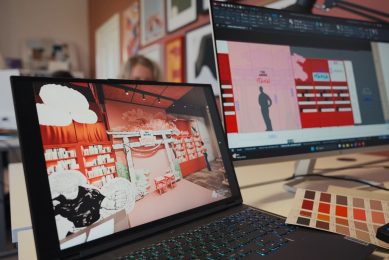
What drives us as commercial interior designers? It’s not chasing the latest trends, social shares, or even design awards. Yes, it’s great when a design gets some recognition but at its heart, good design is about solving problems. That’s why the most important metric is the impact we can make on your business.
Good design starts with solving the problem
Looking at the latest interior design trends can easily leave you feeling like commercial interior or retail design is a luxury item — something reserved for big brands and high street retailers. But behind the jaw-dropping concepts, decadent moodboards and award-winning refits, the real value sits somewhere far less glamorous: the metrics of how effectively the space performs for your business.
So before you embark on the creative ride, it’s vital to think about what isn’t working in your space and how this ties into your commercial goals.
Measuring design effectiveness for your business
How do you determine what success looks like for your business? What’s going to make the retail or commercial space truly effective for you? Sadly, there’s no magic universal metric that ensures the success of an interior design. In our experience, design effectiveness looks different for every business.
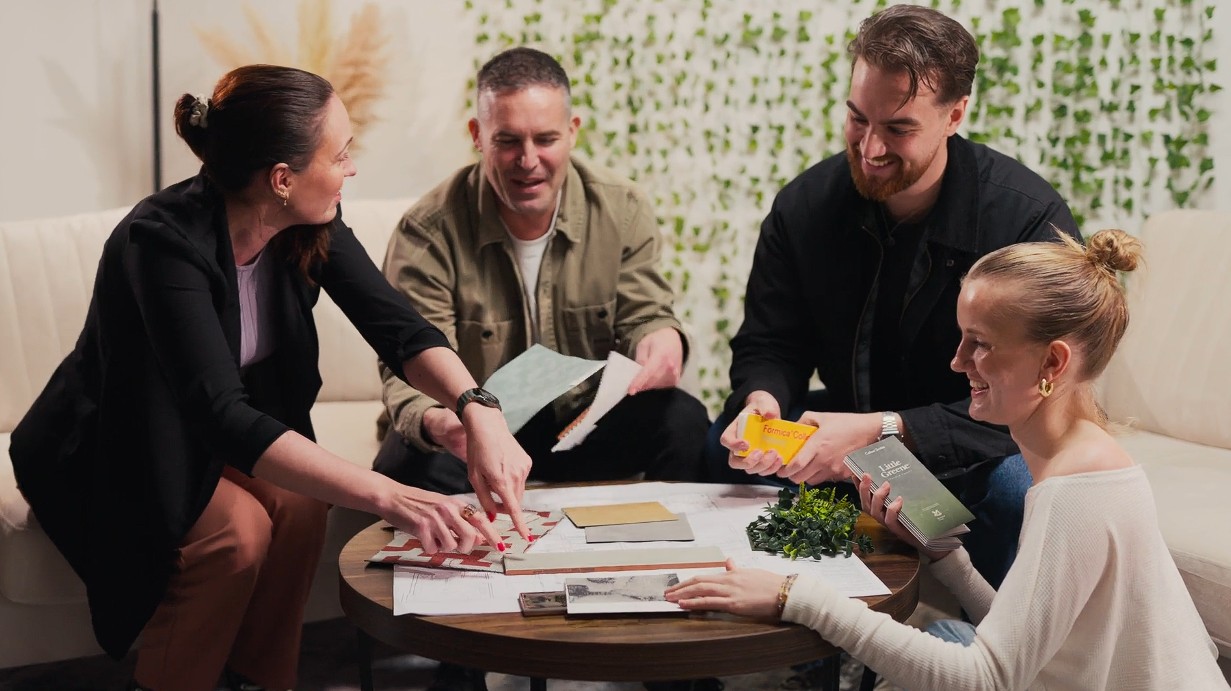
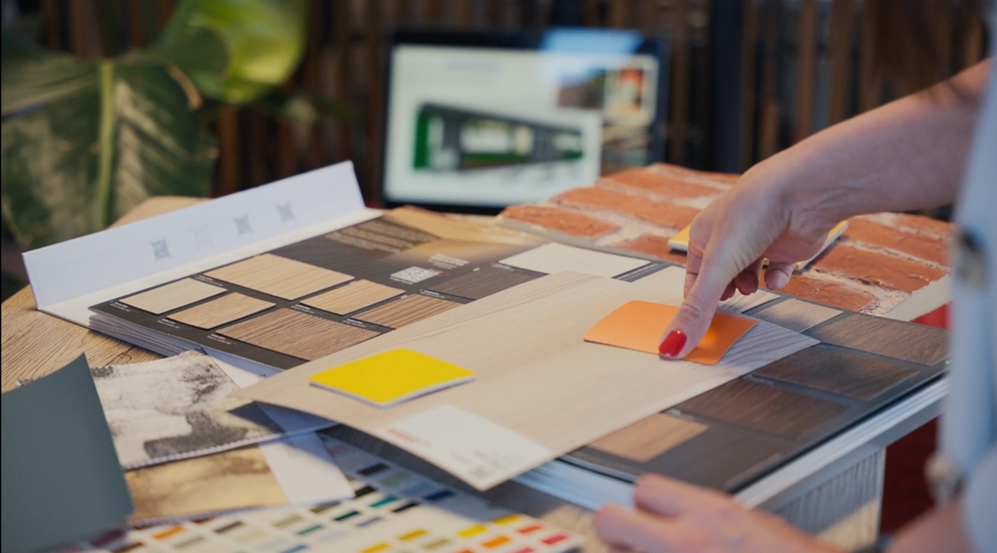
When I first meet a client, naturally they want to talk about how they’d like their space to look…. the colours they like, a tile they’ve seen, wallpaper, soft furnishings. Don’t get me wrong, all of that is relevant and feeds into the creative brief. But we’re not here as decorators, or to just to focus on aesthetics. Good design is about problem solving and asking how we can help your business work better. So, before we even start to consider sketches, layouts, colours, materials, fixtures, fittings or finishes, there needs to be clarity around one thing: what business problem does the design actually need to solve?” Dean Waugh – Creative Director, Retail Experience Design.
If you’re unclear on what you want to achieve, we can look at your space with fresh eyes and help you to tease out the answer. In our experience, design effectiveness looks different for every business.
Dean goes on to say… “things aren’t always as they appear on the surface: often what the client tells us is their main issue is something entirely different, or a combination of factors.”
The commercial problems behind the design
Here are some of the most common problems that clients approach us to help solve:
- Futureproofing the business… maybe that’s by increasing footfall or driving stronger sales.
- Improving customer engagement
- Increasing operational efficiency; looking at the function of different areas and the way the space is being used.
- Strengthening business values and building a brand presence in the physical environment.
It’s only by looking at your space and your business goals together, that we have the ingredients for a strong design brief. This should include:
- What the space needs to do
- Why it needs to do it
- How we’re going to measure that
Effectiveness in action: some examples from our work
Our offer to clients is Design that Delivers Results. Yes, we love it when great-looking spaces get ‘likes’ online, but the real satisfaction comes from measuring the effectiveness of our work.
1. HOLMES SWEET HOME: using design to diversify business
When independent specialist coffee and dessert shop Holmes Sweet Home asked us to design their new unit, their brief was to diversify and grow the business.
Their ambition was to evolve from a successful coffee and dessert venue into a broader hospitality offer. They wanted to move into evenings and serve alcohol including some signature cocktails. This meant attracting a new and wider audience and reducing reliance on weekend trade.
Beyond creating the right atmosphere, our design needed to drive more sales, balancing existing weekend trade with new evening sales. This gave us a clear way to measure the effectiveness of our design for our client.
Against those metrics, just six months after our redesign, Holmes Sweet Home were seeing success:
- Turnover increased by 110%.
- Weekly revenue rose sharply
- Tuesday to Friday sales increased between 70% and 172%.
- Overall, significant reduction in reliance of peak weekend trade.
2. PARK VISION: more than meets the eye.
Like many boutique opticians, Park Vision needed to carefully balance two equally important priorities: providing exceptional clinical eyecare, whilst also creating an elevated retail environment.”
This wasn’t simply about creating a more premium look for the practice. Our design needed to perform across multiple metrics: supporting business growth, driving stronger retail sales and improving the patient experience.
And it did. Following the redesign:
- Retail sales increased by 135%
- Overall sales increased by 123%
- Clinical exams increased by 40%
- 844 new patients were acquired
3. EDWARDS & WALKER: ROI doesn’t lie.
For Edwards & Walker, the driver behind their redesign was futureproofing the business. Their investment needed to support long-term growth, strengthen their market position, and ultimately deliver a clear return.
By factoring in their goals, our design helped them achieve a measurable ROI:
- Six months after reopening their new practice was on track to cover both the design and fit-out investment within just 18 months.
- They had their most profitable first quarter in nine years of operation: c.20% increase in sales, month on month and 300+ new patients and exams
4. DAVID BURGHARDT VISION CARE: building a premium brand
David Burghardt Vision Care told us they needed much more than a refit. Their practice was evolving so they wanted a bespoke space that allowed them to develop new products and services.
Our design achieved this, creating an improved patient journey and a look and feel that allowed the practice to promote premium eyewear. Their average dispense value and the overall turnover both more than doubled.
“Dean put forward ideas backed by insights into customer habits and wasn’t afraid to push back on areas that wouldn’t add value. Can we attribute our successes to the refit? I’d say yes.” Richard Spencer, Director
5. HOYA/SEIKO: value engineering to solve a complex problem
For many clients, the metric isn’t always about sales. This was true for global optics brands, Hoya and Seiko – here, the challenge was to redesign a shared showroom and training space that wasn’t working both in terms of delivery and brand presence.
Dale Hughes, Marketing Director, was highly complimentary about the commercial effectiveness of our work:
“Retail Experience Design provided significantly more value than a standard design partner. Alongside designing a high-quality space that represented both Hoya and Seiko brands, they supported us in resolving several delivery challenges and value-engineering the project.
“The cost savings achieved through this work were substantial and offset a large proportion of their design fee.”
6. WARWICK UNIVERSITY SU: from dingy to destination
Warwick University Students’ Union came to us with a goal to revive a space with stacks of wasted potential – dingy and uninviting by night and barely used in the daytime.
Our brief was to create a destination bar – something with immediate visual appeal that could be used flexibly.
To maximise the budget, we focused on enhancing what was already there. We restored the wooden dancefloor, polished the copper ceiling and revitalised the existing bar. Warwick SU told us:
Immediately, we started seeing more staff and students using the space. A buzz began to build online and sales gradually picked up. By the third term after the redesign, sales figures were up by 43% and the bar was becoming the “destination venue” we’d been asked to deliver.
Design that delivers results
Good commercial interior design isn’t about chasing trends, winning awards, or simply creating striking spaces. It’s about solving business problems. It’s about understanding what your business needs from its environment, designing with clear commercial intent, and delivering measurable results.
This is design that delivers results. And that’s what makes us really happy.
If you have ideas on how your space could help your business do better, we’d love to talk.
Let’s transform your space together
If you want to know more, get in touch – we’re always happy talking shop.
Contact us
Related articles